

Key Takeaways
A true emergency threatens safety, health, or the structure right now, or removes an essential service that can't wait for business hours.
Burst pipes, gas odors, sewage backups, and electrical hazards qualify, while a dripping faucet or a broken dishwasher does not.
Central Oklahoma freezes, summer heat, and spring storms can turn an ordinary repair into an emergency for a given week.
A written response standard and one reporting number in the lease keep a midnight call from becoming a guessing game.
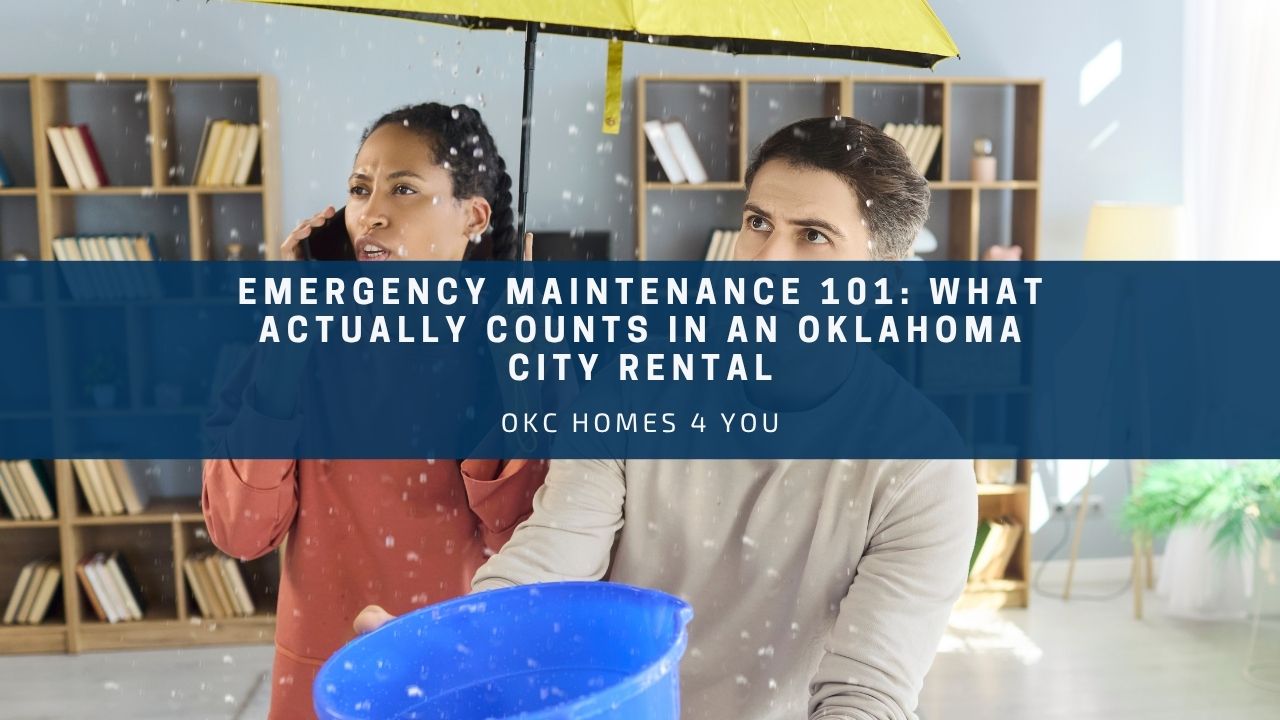
Most after-hours calls about a rental aren't emergencies. A few are, and those can't wait for Monday. Knowing which is which decides whether an emergency maintenance rental call ends with a shut-off valve and a vendor on the way, or with a ruined subfloor and an insurance claim.
We've managed single-family rentals across the OKC metro since 2009, and at OKC Homes 4 You we find the line between emergency and routine is easier to hold when it's written down before anyone calls. Below you'll find what qualifies, what doesn't, how fast to respond, how tenants should report a problem at night, and how to communicate while it's happening.
What Counts as an Emergency Maintenance Rental Issue
Use three questions. Is anyone in danger? Is the damage getting worse by the minute? Has the home lost heat, water, power, or a door that locks?
A yes to any of them means you treat it as an emergency.
True Emergencies
These belong on every emergency list:
A burst pipe, active flooding, or a leak that can't be shut off.
A gas odor (everyone leaves the house, then calls 911 and the gas utility from outside).
Sparking outlets, burning smells, or a downed service line.
Sewage backing up into sinks, tubs, or floor drains.
Fire or smoke damage (911 first).
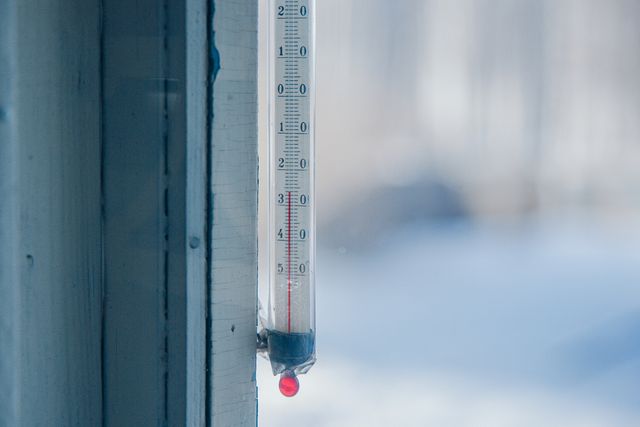
No heat during a freeze.
No cooling during extreme heat.
A broken exterior door, window, or lock that leaves the home unsecured.
A hole in the roof after a storm that lets rain inside.
Lockouts sit in a gray zone. Nobody is hurt, but a tenant standing outside at midnight needs an answer. Most leases decide who pays based on who caused it, so read yours.
Urgent Repairs That Can Wait Until Morning
A dripping faucet. A running toilet with a working shut-off valve. A dead dishwasher. An outlet that doesn't work but doesn't smell or spark. One clogged sink when the other bathroom works.
These feel urgent to the person living with them, but nobody is at risk and nothing is spreading. They go to the front of the next business day's queue. A failed refrigerator falls in between, since food spoils, so most owners treat it as a same-day or next-day call.
How Oklahoma Weather Moves the Line
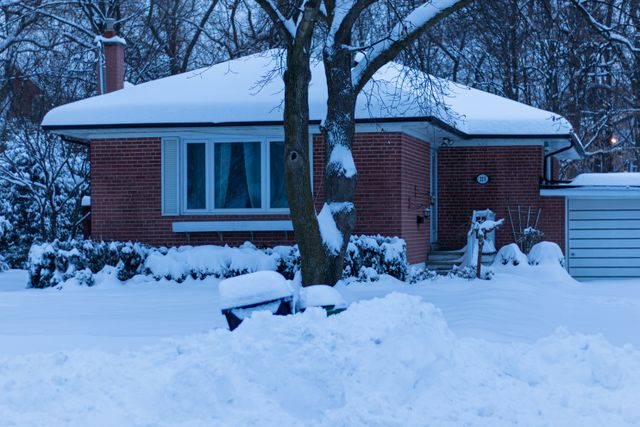
A dead furnace in October is a repair. In a January hard freeze, it's an emergency, because an unheated house can lose pipes before morning. From November through February, we'd treat any no-heat call as a same-night problem.
Summer works the same way. A failed air conditioner in a central Oklahoma July isn't a comfort complaint once the heat gets extreme.
Spring is severe-weather season, roughly March through June. Hail or wind that opens a roof lets rain in, and every hour adds to the damage. The first move is protecting the home, usually a tarp or board-up. The permanent repair and the insurance claim follow.
Vacant homes carry extra risk because nobody is there to notice. We winterize vacant properties and run post-storm checks on them for exactly that reason.
Check Out Our Property Management Services!
Response Timelines Worth Putting in Writing
The Oklahoma Residential Landlord and Tenant Act (Title 41) does require landlords to keep plumbing, electrical, heating, and cooling systems in good and safe working order, so speed matters. Ask your attorney about specifics.
These are working targets, not legal deadlines. Ask any manager to confirm them in writing:
Emergency: Acknowledge the call within 30 minutes. Get a vendor moving or give the tenant shut-off instructions within the first hour or two. Stop the damage that night. Finish the permanent repair as parts and access allow.
Urgent, not an emergency: Respond by the next business day and schedule within one to two days.
Routine: Schedule within several business days.

Decide on a spending limit ahead of time, too. If a pipe bursts at 2 a.m., a manager shouldn't wait on an out-of-state owner who is asleep. Pick a dollar figure for emergency work without prior approval and put it in the management agreement.
Setting Up After-Hours Maintenance Before You Need It
What Tenants Should Do
Put these steps in the lease packet and the move-in paperwork.
Get everyone safe first. For fire, gas, or electrical danger, call 911 before anyone else.
Stop the source if it's safe: the main water valve for a leak, the breaker for an electrical problem.
Call the emergency number in the lease. Don't rely on an email or portal request that nobody reads until 8 a.m.
Say what happened, where, and whether anyone is at risk. Take photos or a short video.
Stay reachable until someone confirms a plan.
How Landlords Should Communicate
Confirm receipt right away, even if all you can say is "we have it." Silence is what turns a bad night into a complaint.
Then give a name and an arrival window for the vendor. If the window slips, say so. After the repair, send a short note with what was done and a photo.
Keep every message. They support the owner statement, any insurance claim, and any later question about who caused the damage. Photo-documented move-in inspections help here, because they show the home's condition before the problem started.
Entry is another point to settle early. Emergencies generally allow access without the usual advance notice, but tell the tenant anyway.
Bottom Line
The best emergency plan is made on a quiet afternoon. Define the line in plain words, tie it to Oklahoma weather, set a response standard, and give tenants one number to call. When the pipe bursts, nobody has to argue about whether it counts.
At OKC Homes 4 You, our local vendor network and direct access to the principal, rather than a call center, are part of how we coordinate maintenance for owners across the metro. If you want to see what your home could earn before deciding who handles those calls, request a free rental price analysis or call us at 405.996.8987.
Frequently Asked Questions About Emergency Maintenance for Rentals
Who Pays for Emergency Repairs on a Rental?
It depends on the cause. When a system fails from age or wear, such as a water heater or furnace, the owner typically pays. When a tenant causes the damage, the lease may allow the owner to charge for the repair.
A move-in inspection with dated photos makes that call far easier. The owner statement should show each invoice, so you can see what was spent and why. Ask your manager how emergency invoices are documented and approved.
Can a Landlord Enter Without Notice During an Emergency?
Generally yes. Oklahoma's landlord-tenant law calls for advance notice before routine entry but makes an exception for emergencies, such as an active leak or a gas smell. Even so, call or text the tenant as you go in, and note the time and reason in your records. Ask your attorney how the law applies to your situation.
What if a Tenant Calls Everything an Emergency?
Put the definition in writing and give the tenant a few triage questions. Is anyone in danger? Is it spreading? Is heat, water, power, or security gone? Ask for a photo or short video, which often settles it in a minute. If a call turns out to be routine, schedule it for the next business day and explain why. Keep a log. A pattern is easier to address with dates attached.
Should Owners Set a Spending Limit for After-Hours Repairs?
Yes. Decide on an amount your manager can approve without reaching you, and put it in the management agreement. Most single-family rentals in our market run roughly $950 to $1,400 a month, so a burst pipe can cost more than a month's rent if it runs overnight. Keep a cash reserve for these repairs, and ask how repair costs show up on your monthly statement.
What Should an Owner Do When Storm Damage Hits a Vacant Rental?
Protect the home first. A tarp or board-up comes before any permanent fix. Photograph everything before and after, then notify your insurance company promptly. Vacant homes are checked less often than occupied ones, so we run post-storm checks on them during severe-weather season. Ask your manager how and when vacant properties get inspected.

